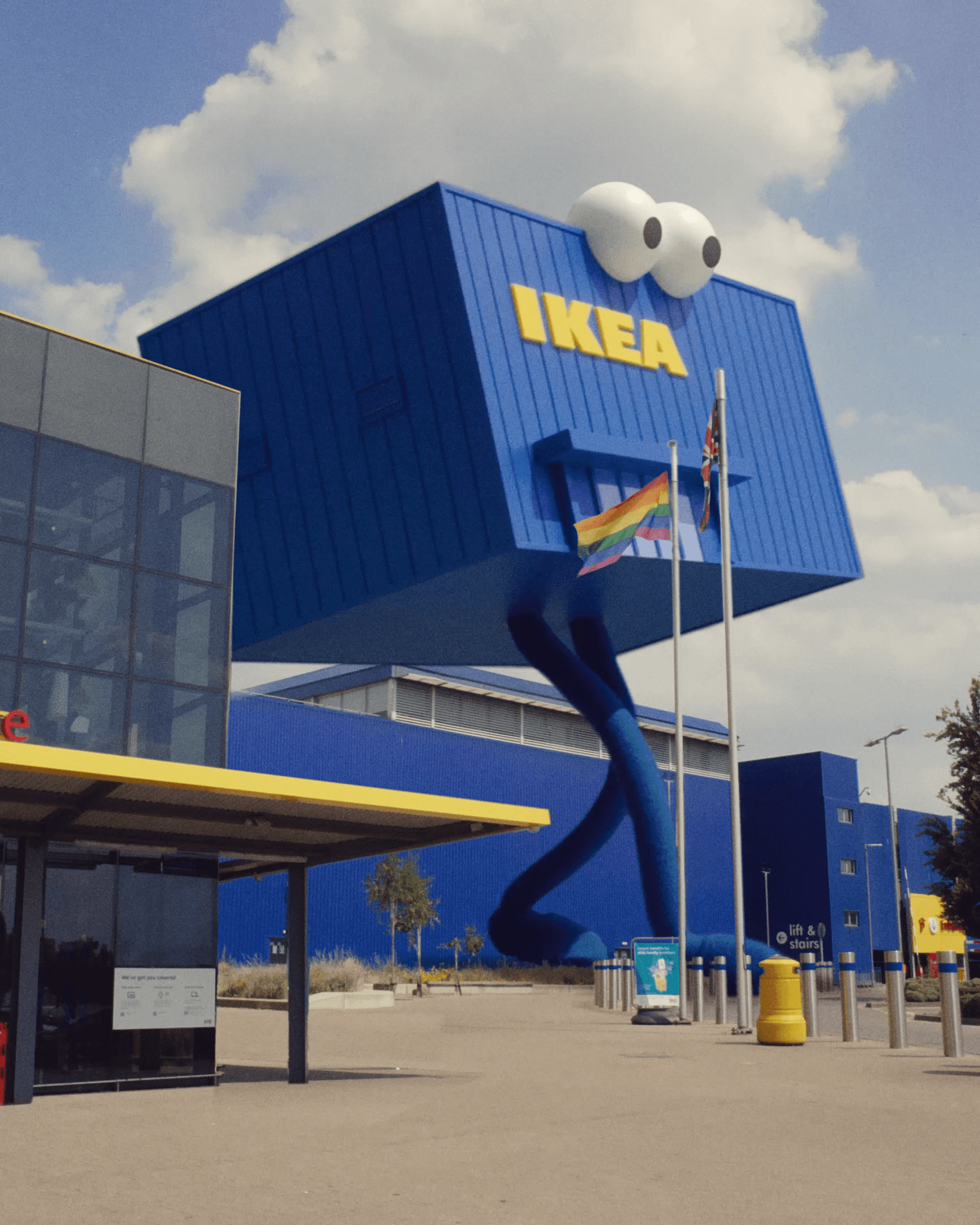
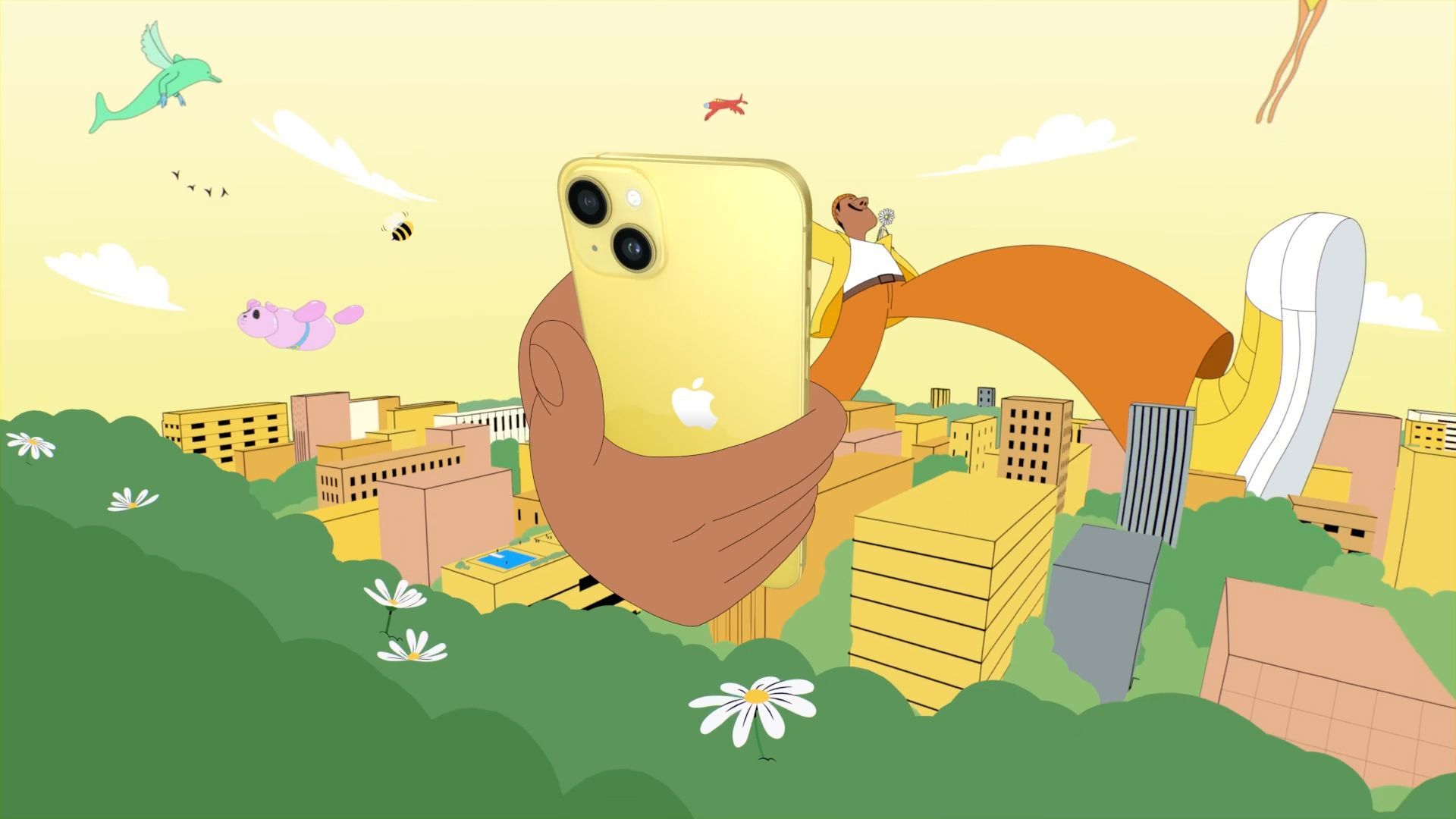
How Dual Identity Shapes Irina Alexiu’s Storytelling
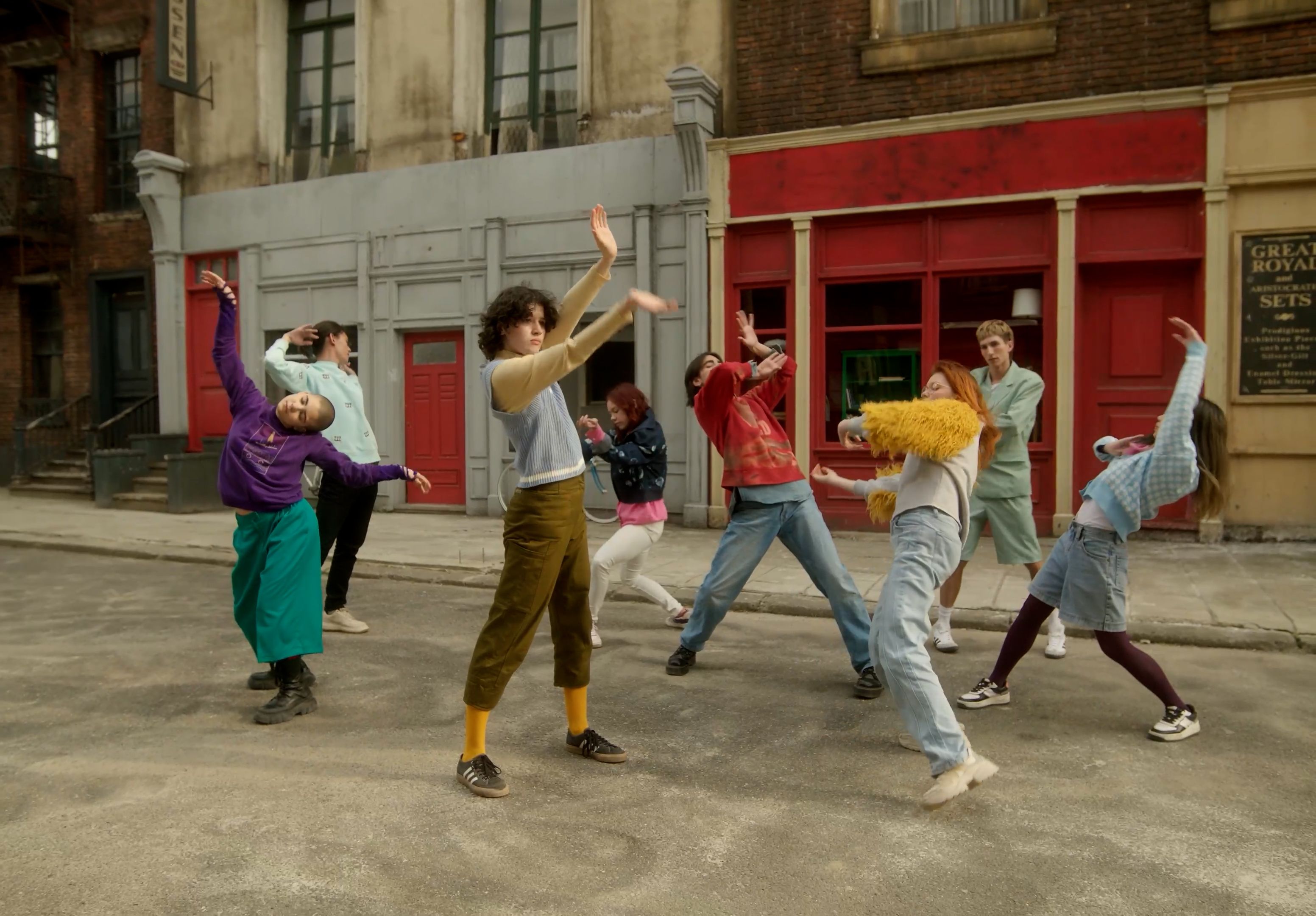
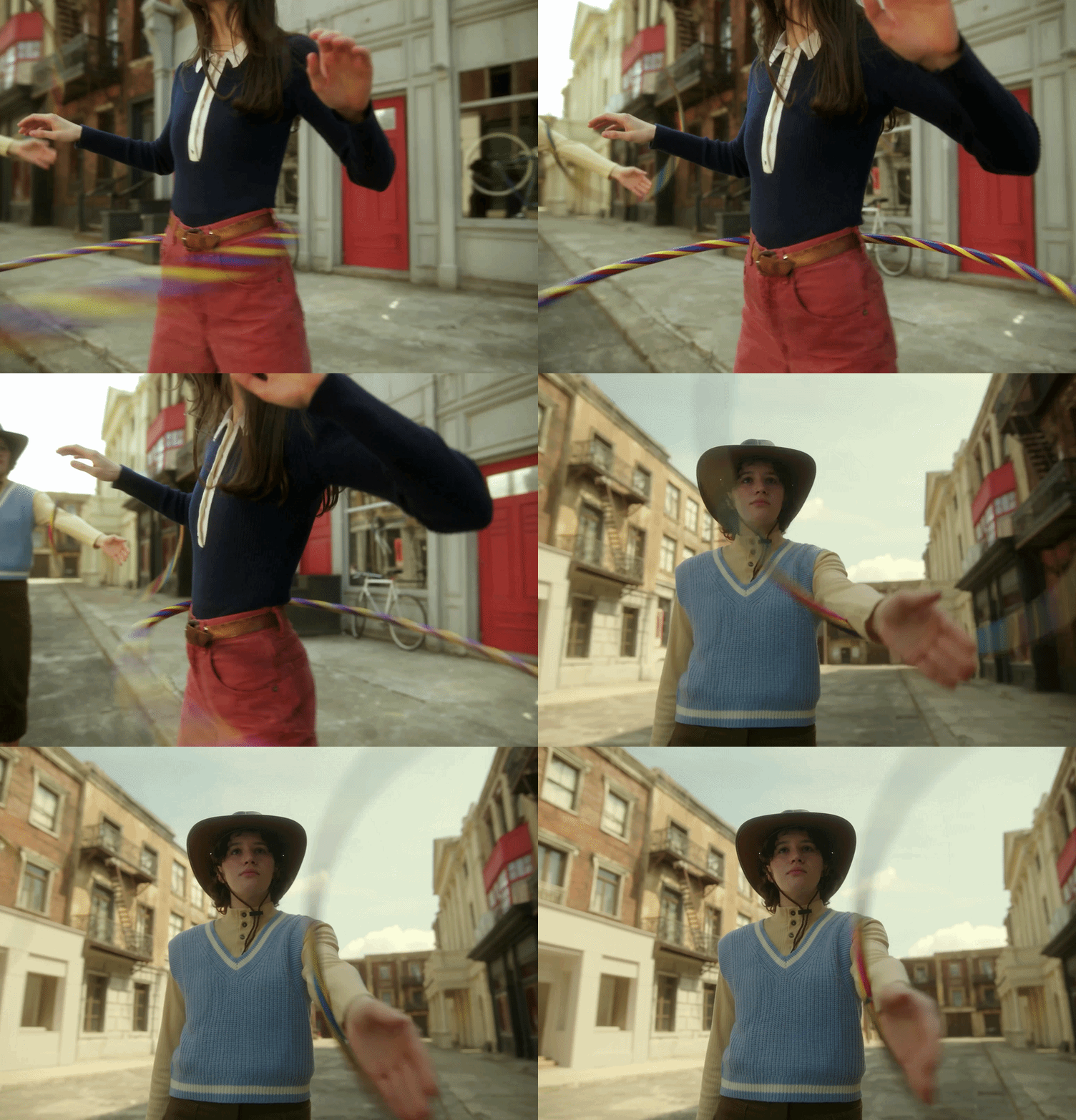
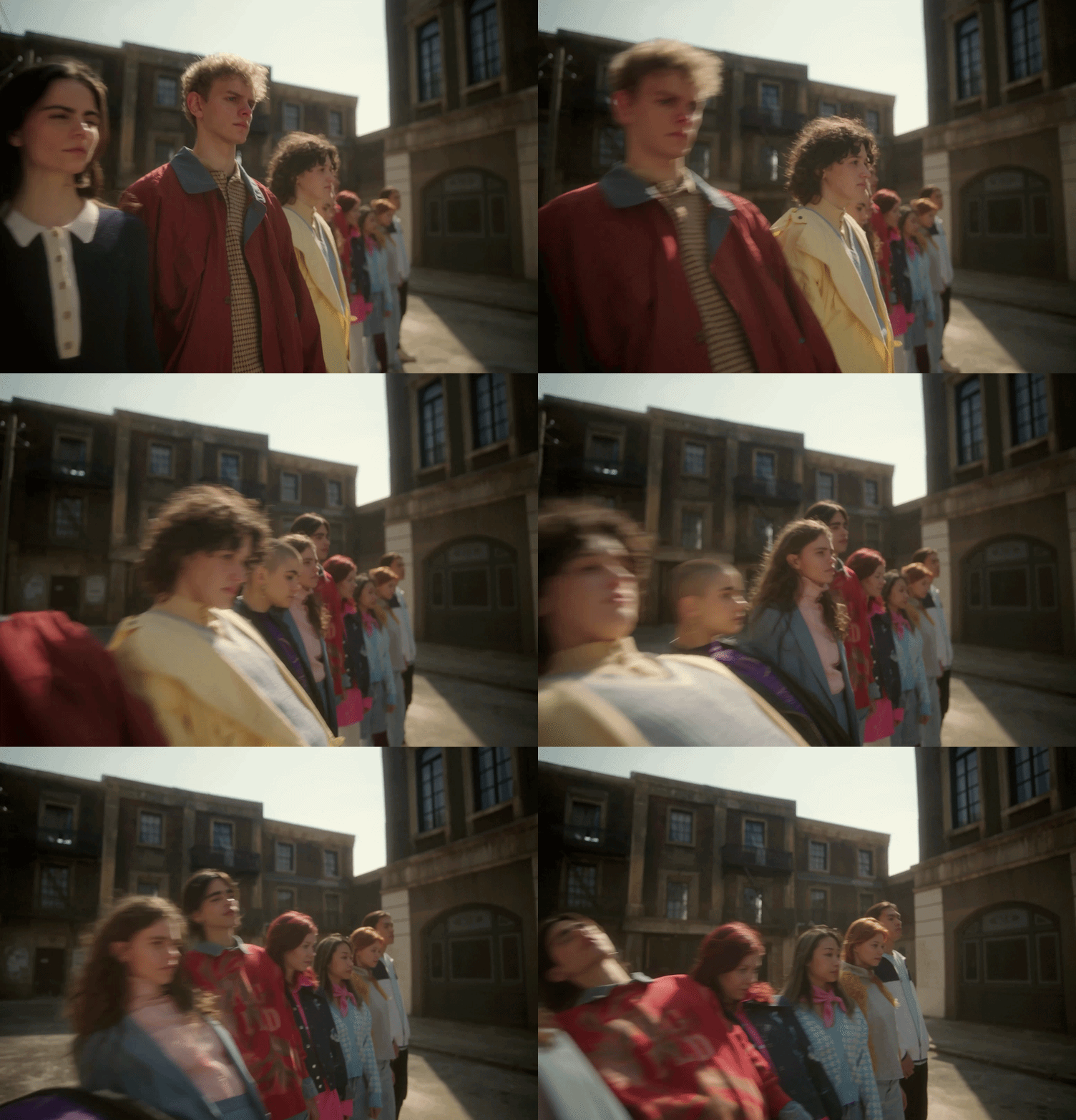
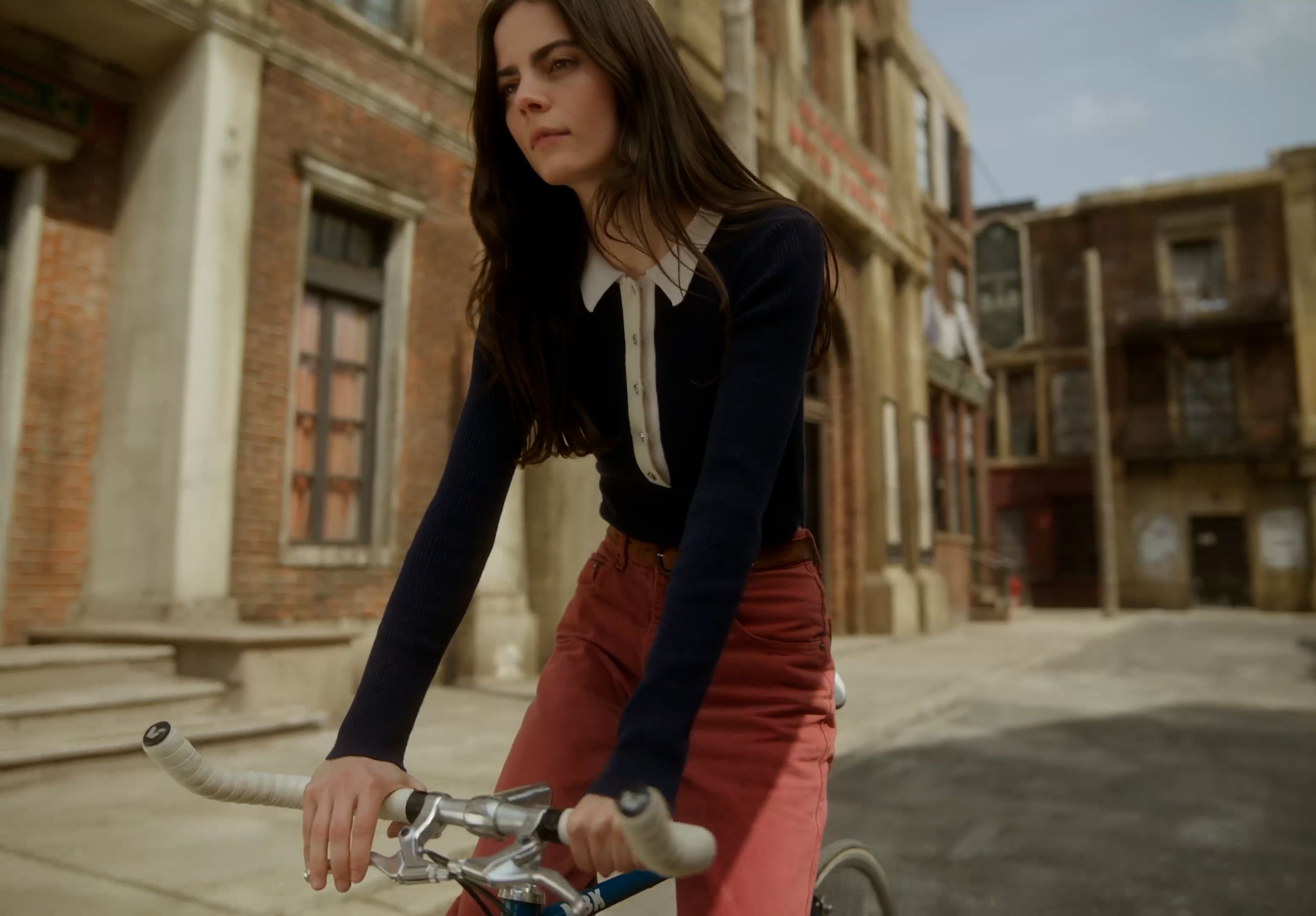
The Beatles' 'In My Life' music video director Irina Alexiu on her point of view, how she balances commercial directing with her own expression, what separates a good story from a great one, and how her dual identity shapes her voice as a director.
"My POV is the uncomfortable truth. I’m not interested in polished surfaces, I’m interested in what happens when the veneer cracks."
Irina AlexiuTell us a bit about yourself. What’s your story? And how does your identity shape the stories you choose to tell?
My story is somehow defined by the oscillation between two poles: Romania and London. Growing up and working across these two cultures has given me a dual-vision. I’m constantly looking at the world from the outside in and the inside out simultaneously.
I’m drawn to stories where humour and melancholy don’t just coexist, they bleed into one another. I don’t believe in pure genres. I believe in stories about people that embrace the messiness of being human: the desire for agency, the ache of isolation, and the absurd, beautiful failures of trying to be enough. If a project doesn’t have a pulse of genuine vulnerability or a slightly fractured perspective, I find it hard to connect.
How does shifting locations and environments reshape your perspective and voice as a director?
It’s like developing a binocular vision. Moving between Romania and London has made me very aware of context. The same story can feel completely different depending on where it takes place, who is telling it, and what cultural details surround it. It forces you to look at the cracks in the pavement rather than the skyline. London, in contrast, is a collision of noise, ego, and infinite possibilities and it has encouraged me to be more experimental and outward-looking, and has introduced me to a wide range of creative languages and collaborators.
Moving between them prevents me from settling into a singular aesthetic. It keeps me in a state of permanent creative exploration.
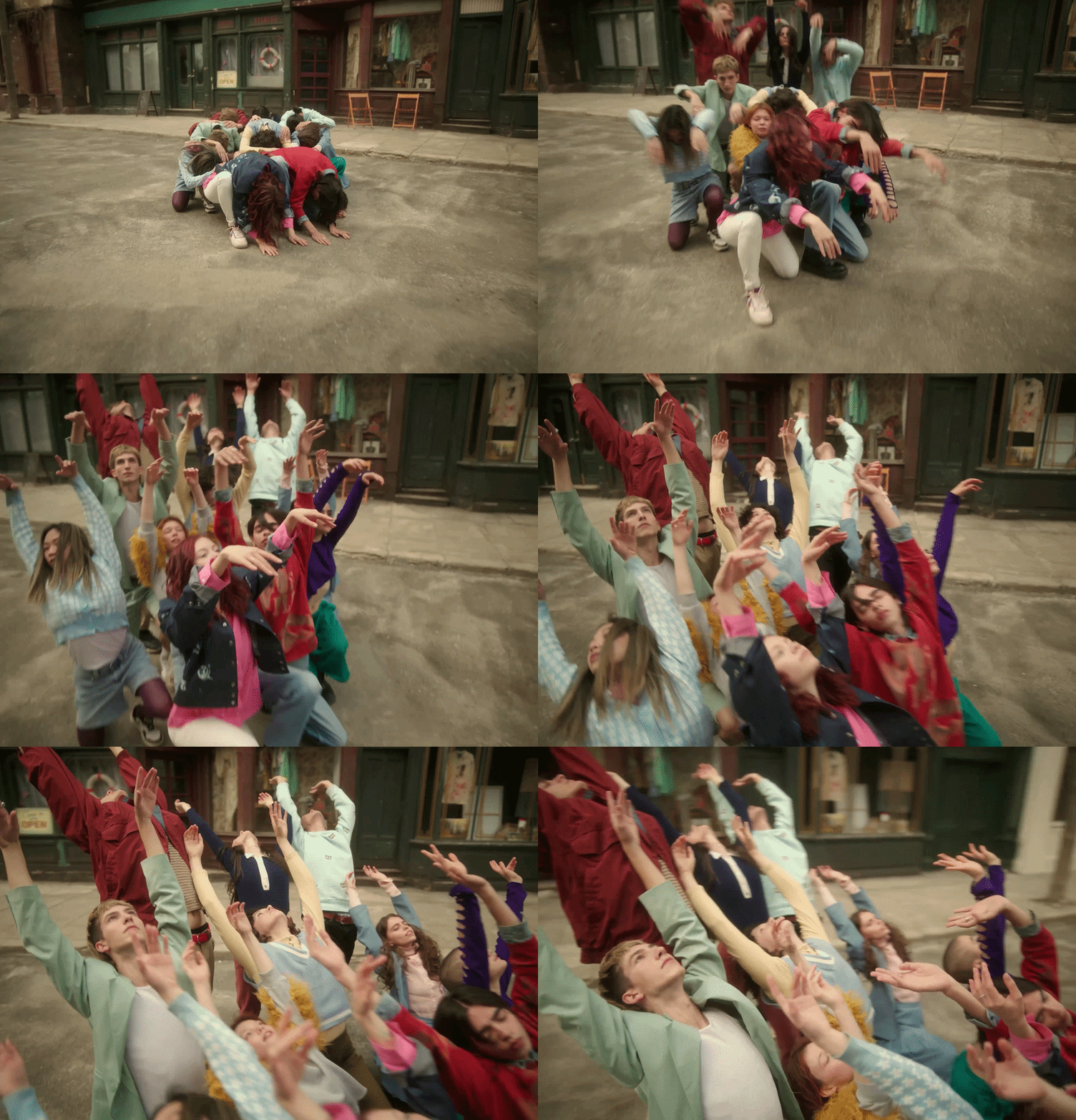
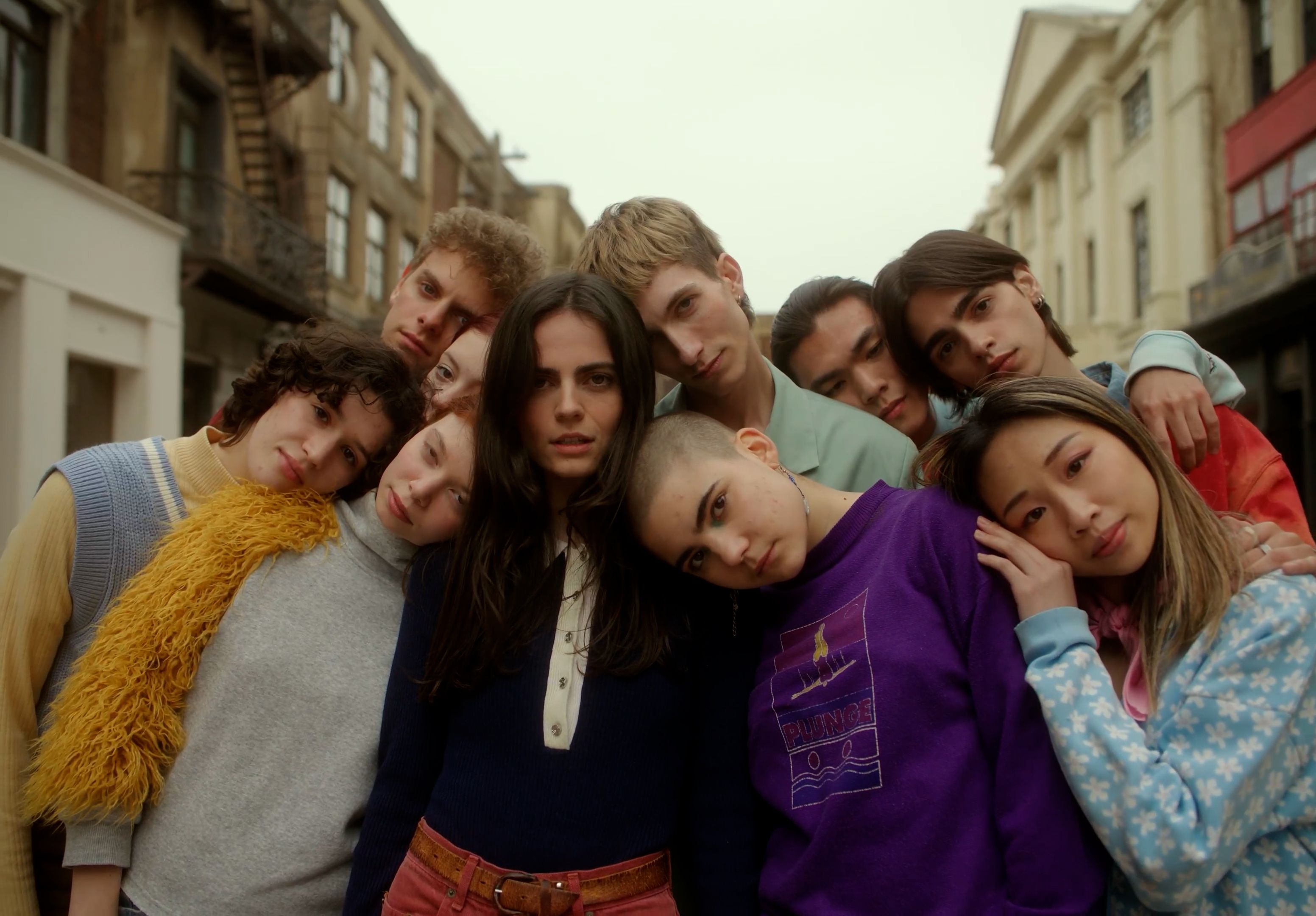
Having a distinct point of view is what separates a technician from an artist. How would you define yours? What are the core themes, feelings, or questions about human nature that you find yourself constantly returning to?
My POV is the uncomfortable truth. I’m not interested in polished surfaces, I’m interested in what happens when the veneer cracks.
I am fascinated by the tension between control and surrender. I want to capture the specific feeling of being in-between, for example, between childhood and adulthood, between wanting to be loved and wanting to be alone, between being who you were and who you are terrified of becoming. I want my work to sit in the space where a laugh dies and a tear begins.
Commercial directing often requires balancing a brand’s brief with your own artistic expression. How do you approach that?
I view a brief as a puzzle rather than a set of rules. My first priority is to understand what the brand is genuinely trying to communicate and what the emotional truth of the product or idea is, rather than only focusing on the literal message.
I don't really separate art from commercial.The best commercial work feels neither like a compromise nor like an imposition, it feels like a genuine meeting between the brand’s identity and the director’s voice.
"Before discussing lenses, colours, or references, I want us to understand what the audience should feel and what the characters or images are carrying beneath the surface."
Irina Alexiu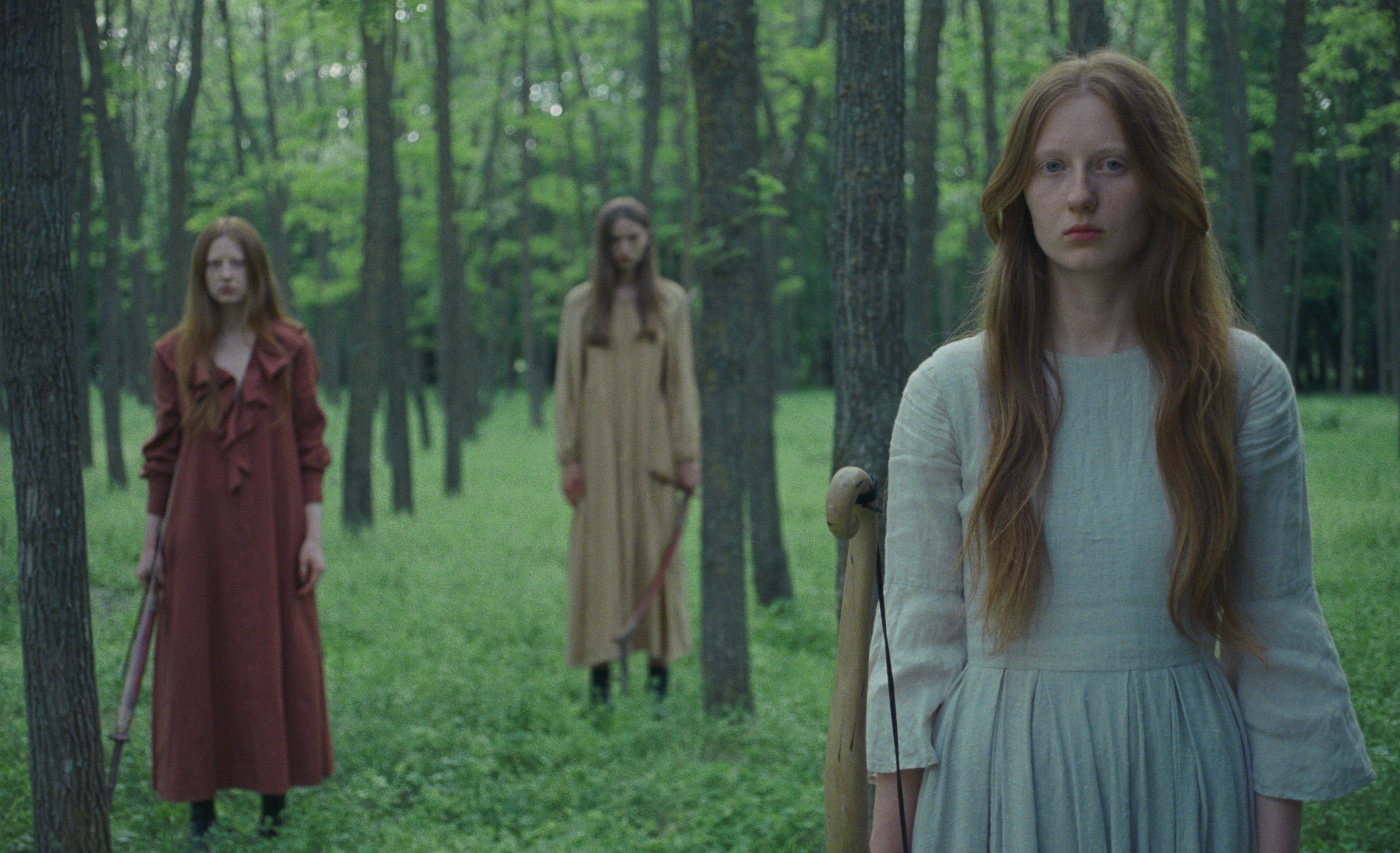

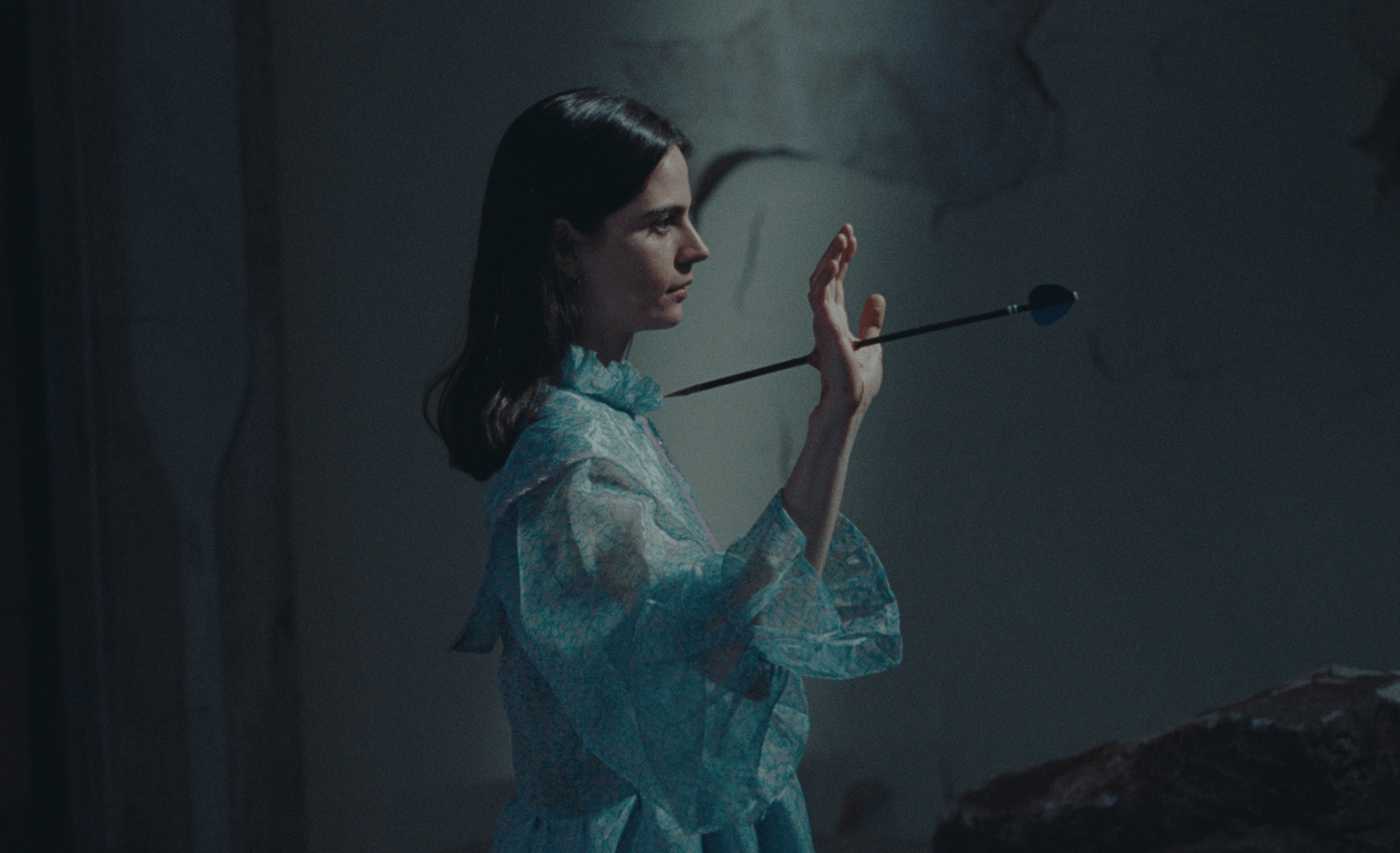
How do you approach building a visual language with your cinematographer and art department during project prep?
I like to begin with the emotional world of the project. Before discussing lenses, colours, or references, I want us to understand what the audience should feel and what the characters or images are carrying beneath the surface.
From there, I work closely with the cinematographer and art department to create a shared visual vocabulary. We discuss references, colour, texture, space, movement, light, composition, and the relationship between the characters and their environment. I find that conversations are often more useful than simply presenting a moodboard, because they help us understand why a particular image or reference feels right.
I also like to establish clear principles while leaving room for discovery. The cinematographer and art department each bring their own expertise, and the strongest results come when everyone feels ownership of the world we are creating.
How much space do you leave for spontaneous, unscripted moments during shooting versus strictly sticking to storyboards and shot lists?
The shot list is my safety net, it basically allows me to be creative on the day. At the same time, actors, locations, light, and real human behaviour can offer things we could never have planned. I want to be able to recognise those moments and follow them when they appear. Sometimes a small unscripted gesture, a spontaneous line or an unexpected pause can communicate more than a perfectly executed shot.
"I want the image, the performance, and the rhythm to work together, but I also want there to be room for ambiguity. The audience doesn’t have to be told exactly what to feel. They should be invited to participate."
Irina Alexiu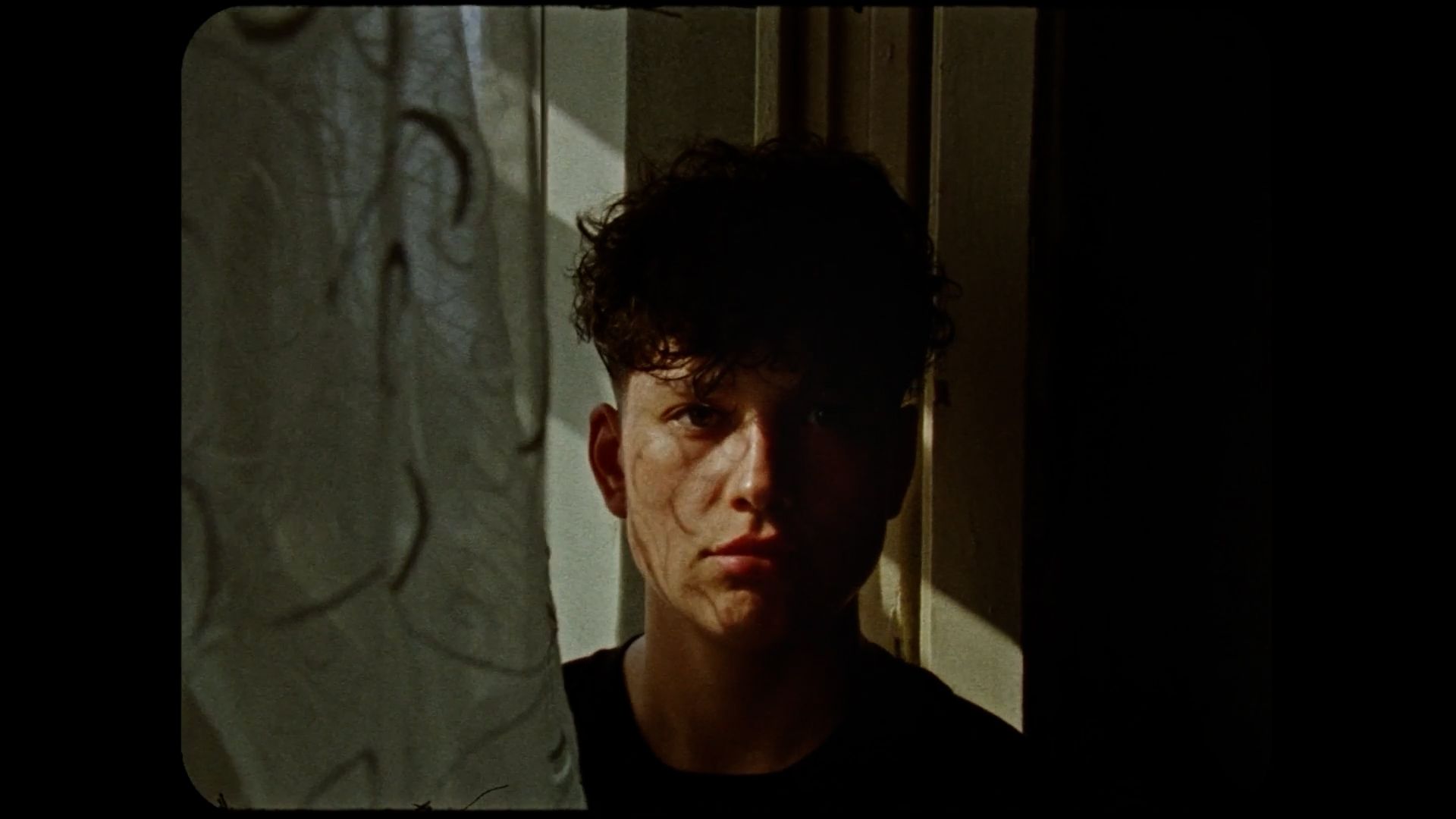
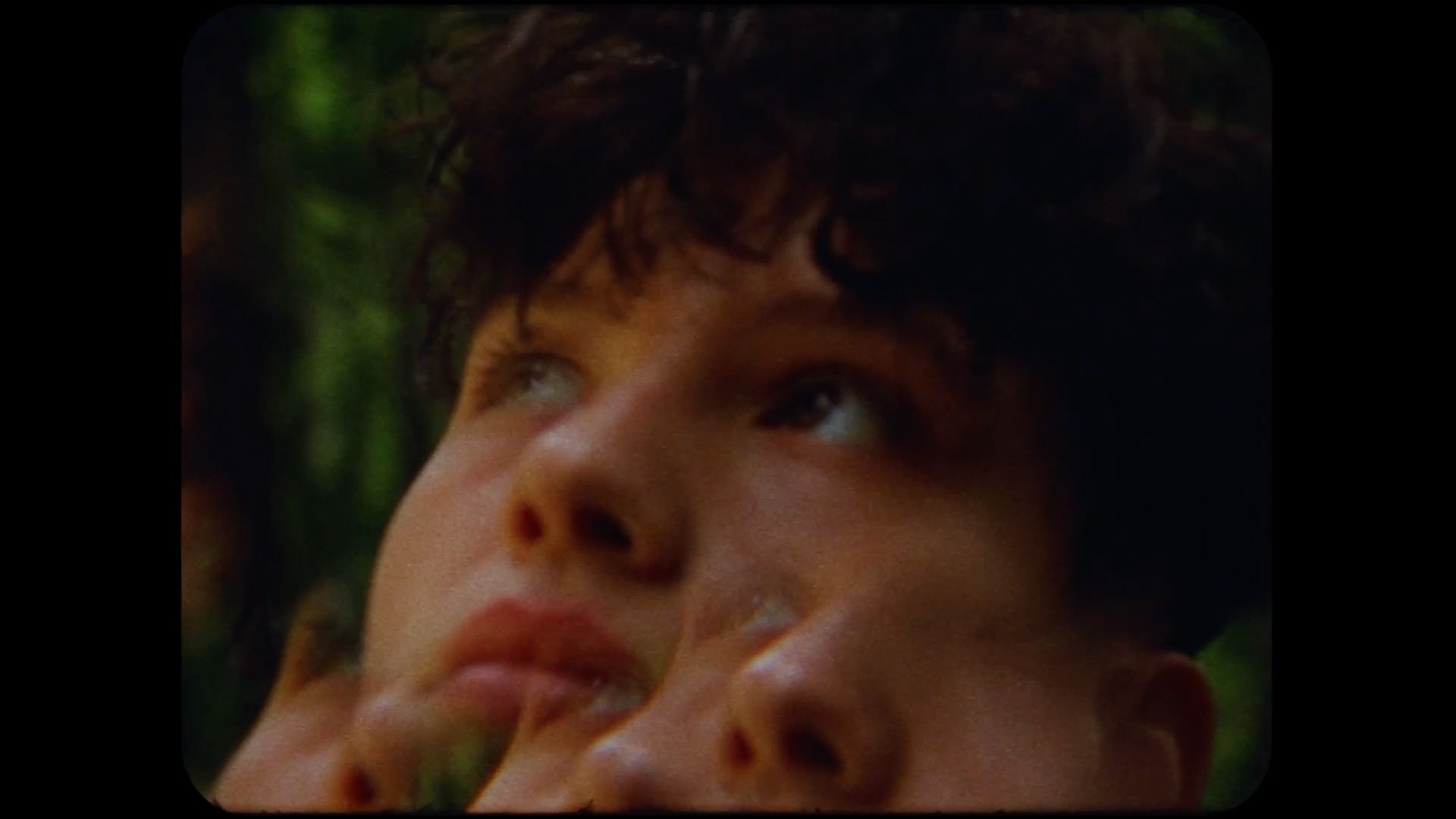
What has been your favourite project to direct so far, and why?
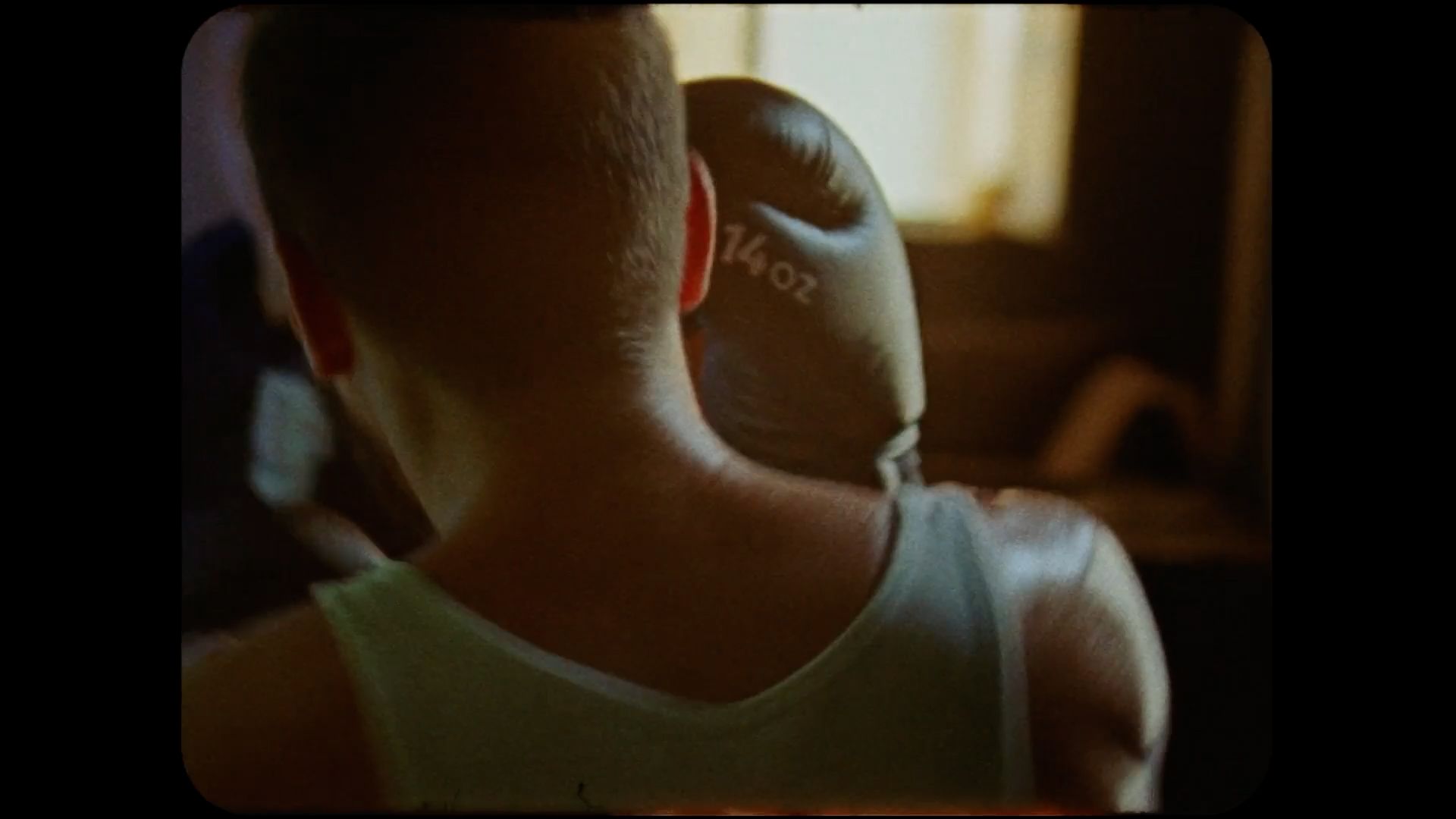
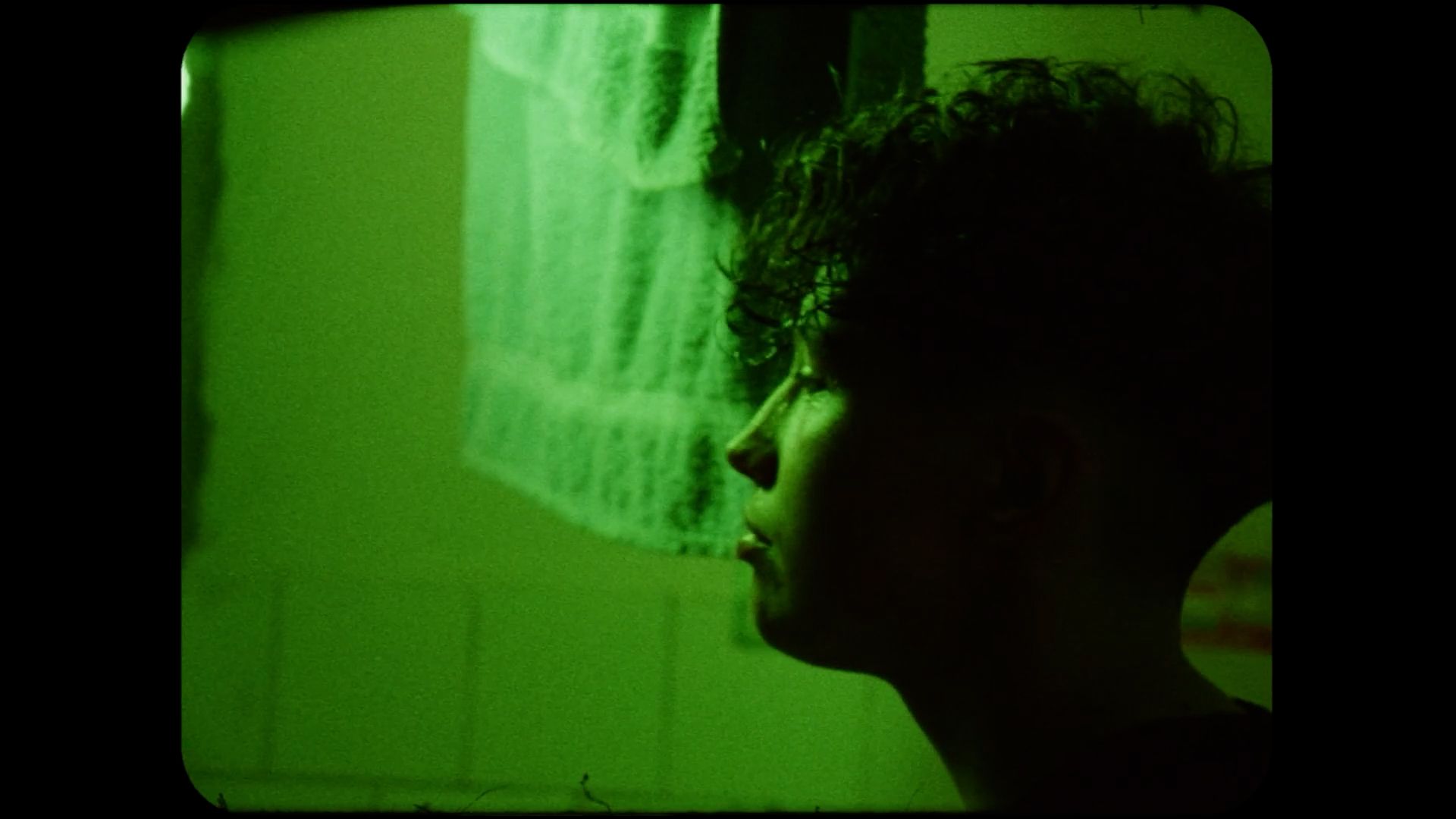
Short film So Refreshing is close to my heart. It was a project defined by limitations: virtually zero budget, rehearsal periods that were entirely remote via Zoom, and all the logistical chaos that implies.
But that’s why I loved it. The lack of resources forced us to rely entirely on the strength of the performance and the urgency of the storytelling. Because we couldn't buy our way out of problems, we had to think our way out. It taught me that constraints aren’t obstacles, they are creative filters.
What separates a good story from a great one? And how does your own work reflect what you personally look for in storytelling?
I look for the specificity of the in-between. I want to see the things people usually edit out: the hesitation, the subtle cruelty, the moments of profound tenderness that occur for no reason. I’m drawn to stories that trust the audience, that allow complexity, and that don’t reduce people to a single trait or emotion.
My work attempts to mirror that and it’s not about big arcs, but about the seismic shift that happens in a five-second silence.
I look for emotional honesty and a strong point of view. I want the image, the performance, and the rhythm to work together, but I also want there to be room for ambiguity. The audience doesn’t have to be told exactly what to feel. They should be invited to participate.
What do you want to say next? Are there specific stories, topics, or cinematic boundary-pushing ideas you’re burning to explore in your upcoming work?
I am moving toward scripts that explore the millennial life crisis but as a surreal, existential reality, partially funny. I also want to delve into the absurdity of motherhood, particularly the collision between the biological reality of raising a life and the psychological division of the self that comes with it.
I want to explore the surrealism of modern domesticity. I love to tell stories where the mundane tasks of daily life like changing a diaper, paying rent, staring at a screen, suddenly tilt into the uncanny or the absurd. I want to pair this with a very raw, unflinching tenderness. The next chapter is about finding the magic in the exhaustion and the terror in the routine.