Inside Christa Jarrold’s tactile universe of awkward characters
Christa Jarrold makes work that feels like scrolling on the internet at 2am: Funny, slightly unhinged, hyper-colourful and uncomfortably relatable. Here, she discusses how the absurdity of life results in absurd art and why sometimes making work for yourself actually makes it more appealing to others.
"I want to make people laugh and feel less insane for struggling to take modern life seriously."
An animation director splitting her time between London and Margate, her creative practice moves fluidly across commercial projects, music visuals, short film, illustration and XR.
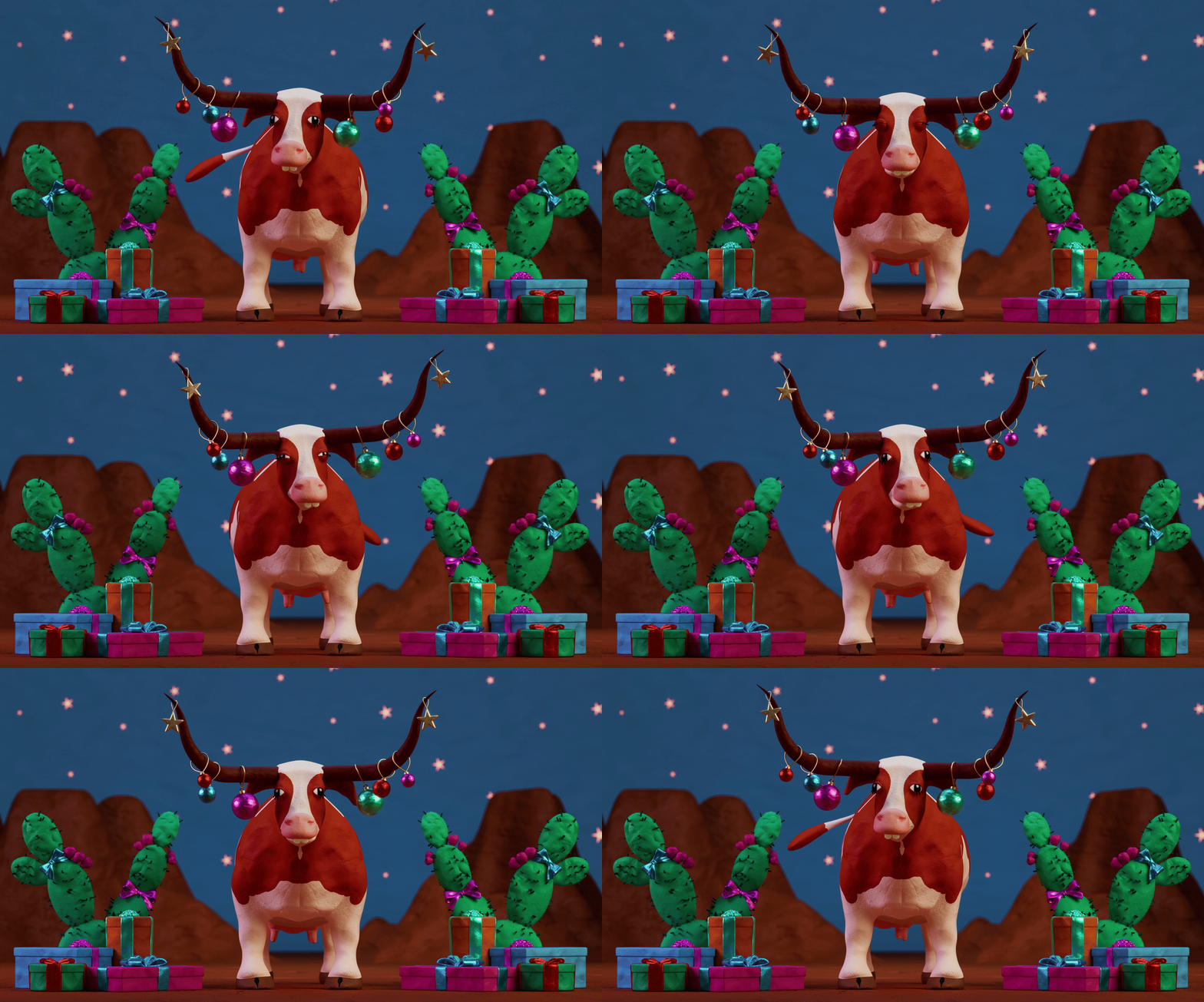
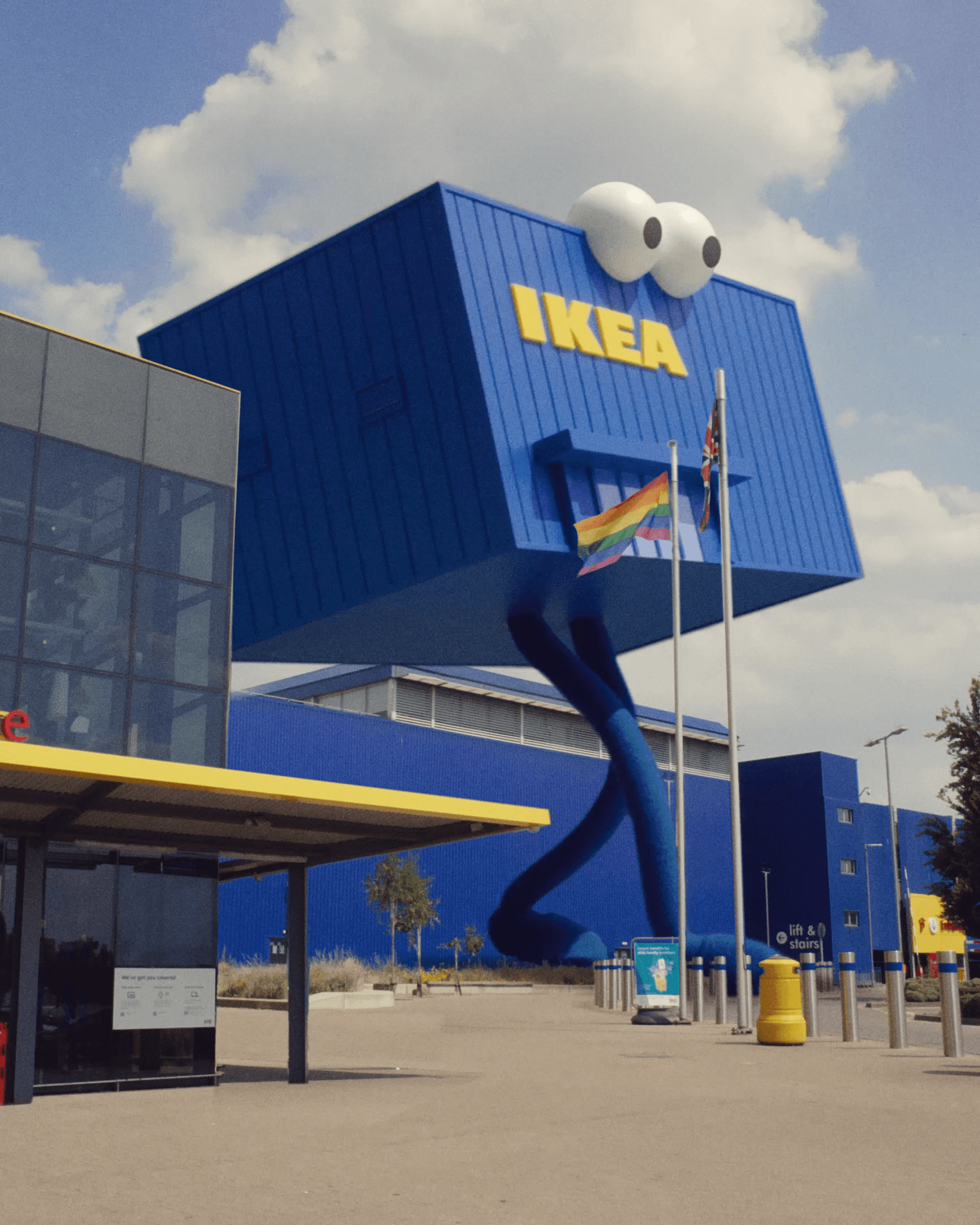
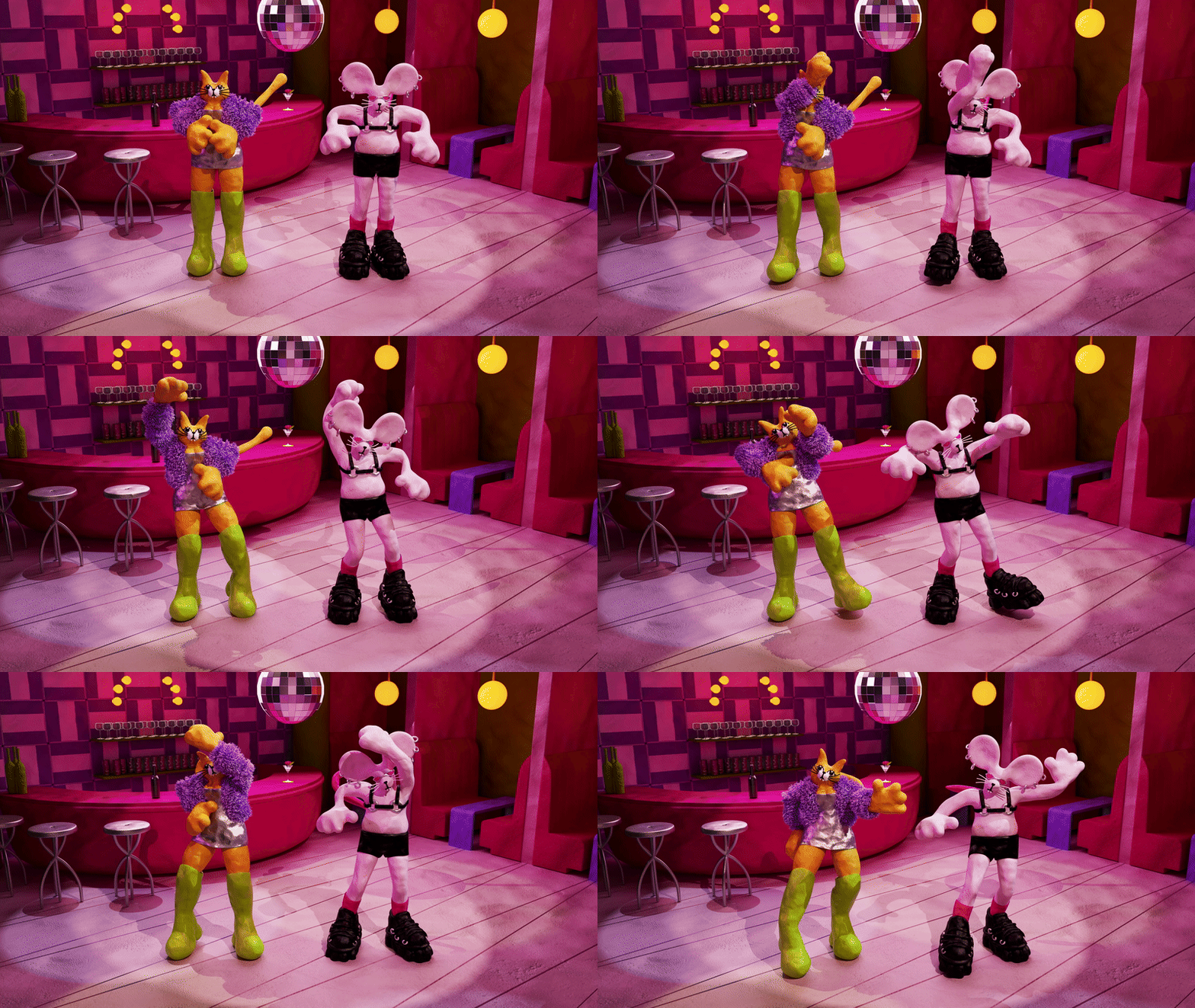
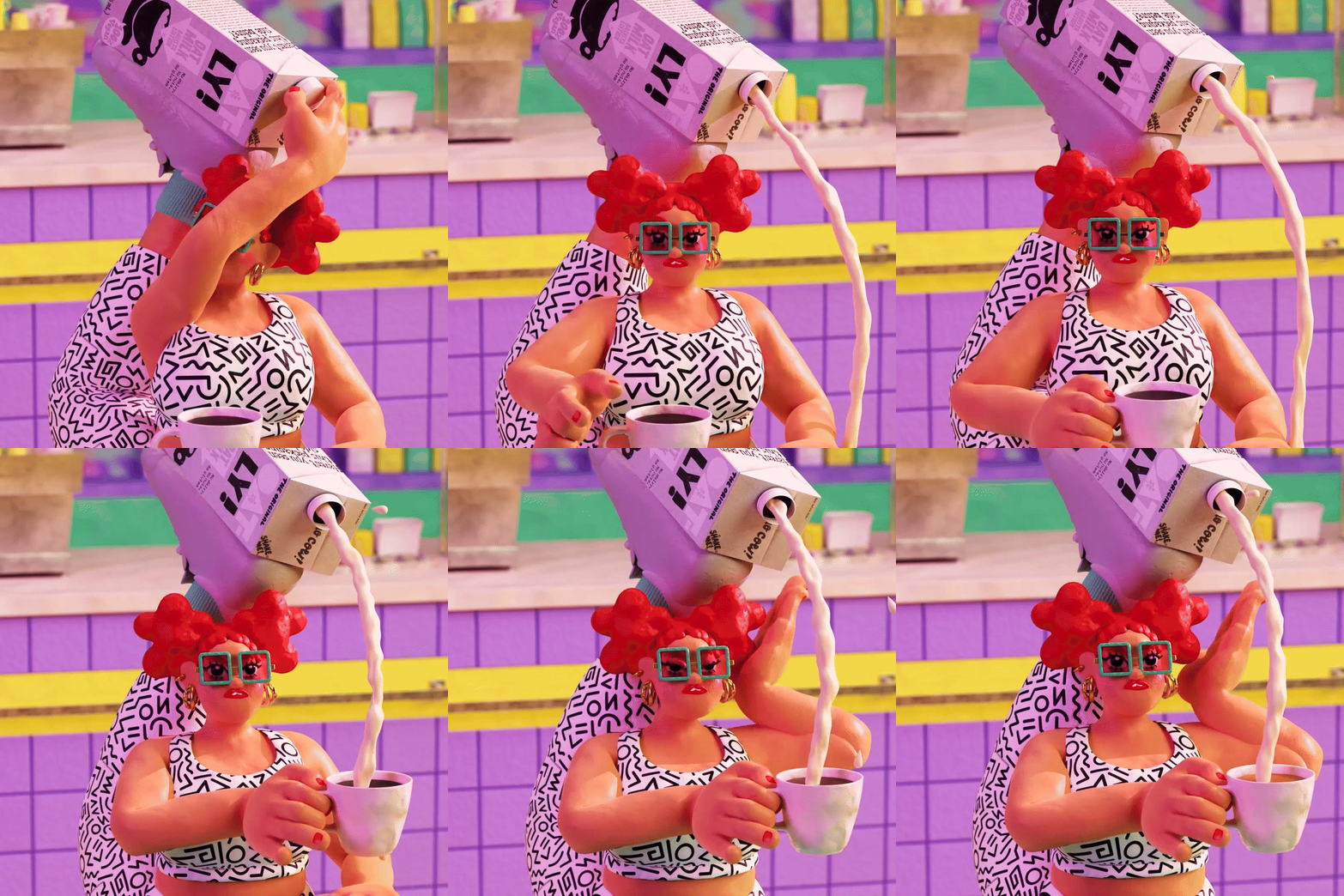
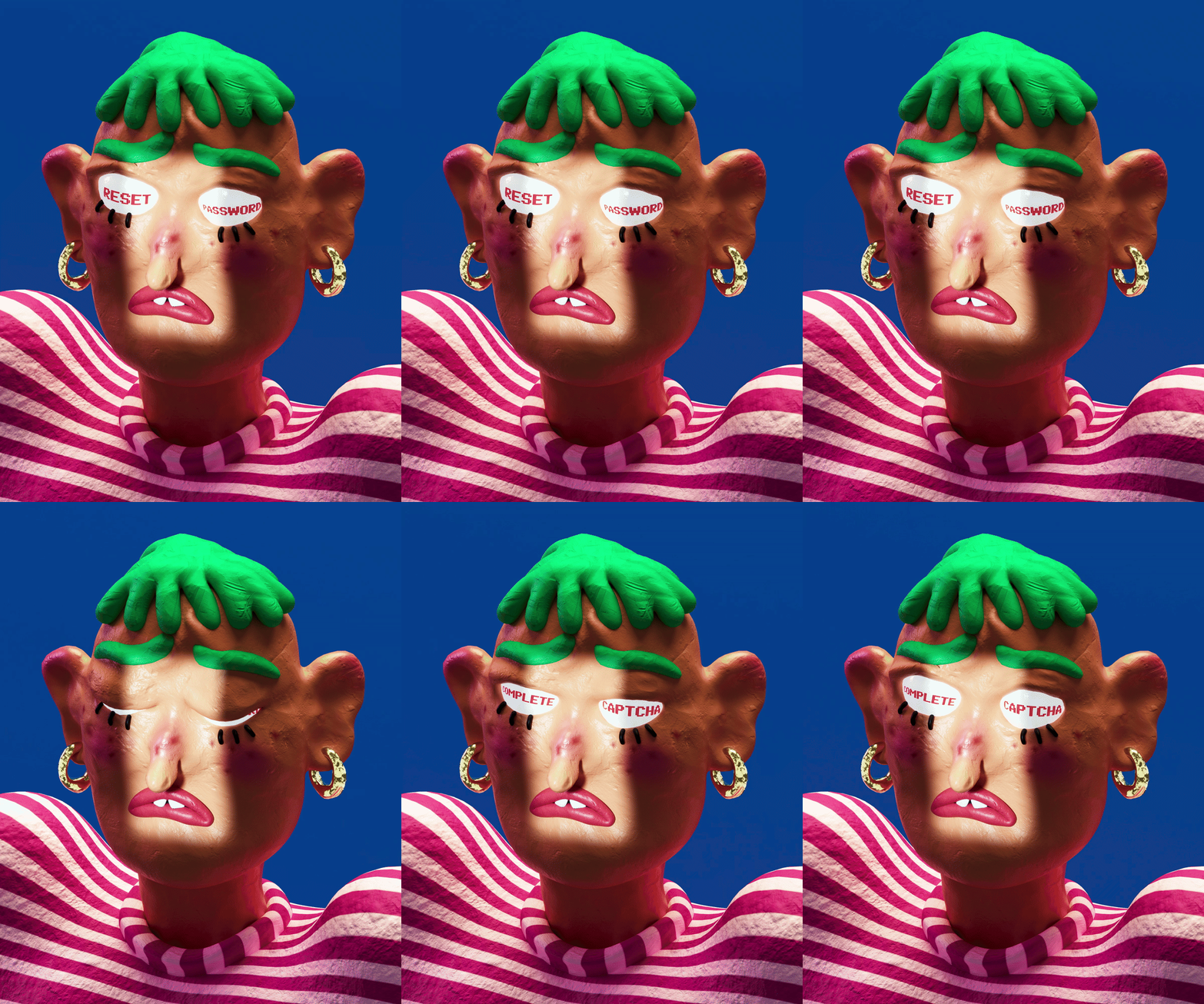
Years ago, she made the leap from 2D to 3D, building a “squishy, claymation-inspired CGI universe”, and turning to “awkward, funny characters trying to exist in the modern world” as a way to process her own low-level existential crisis. A world that now feels entirely her own.
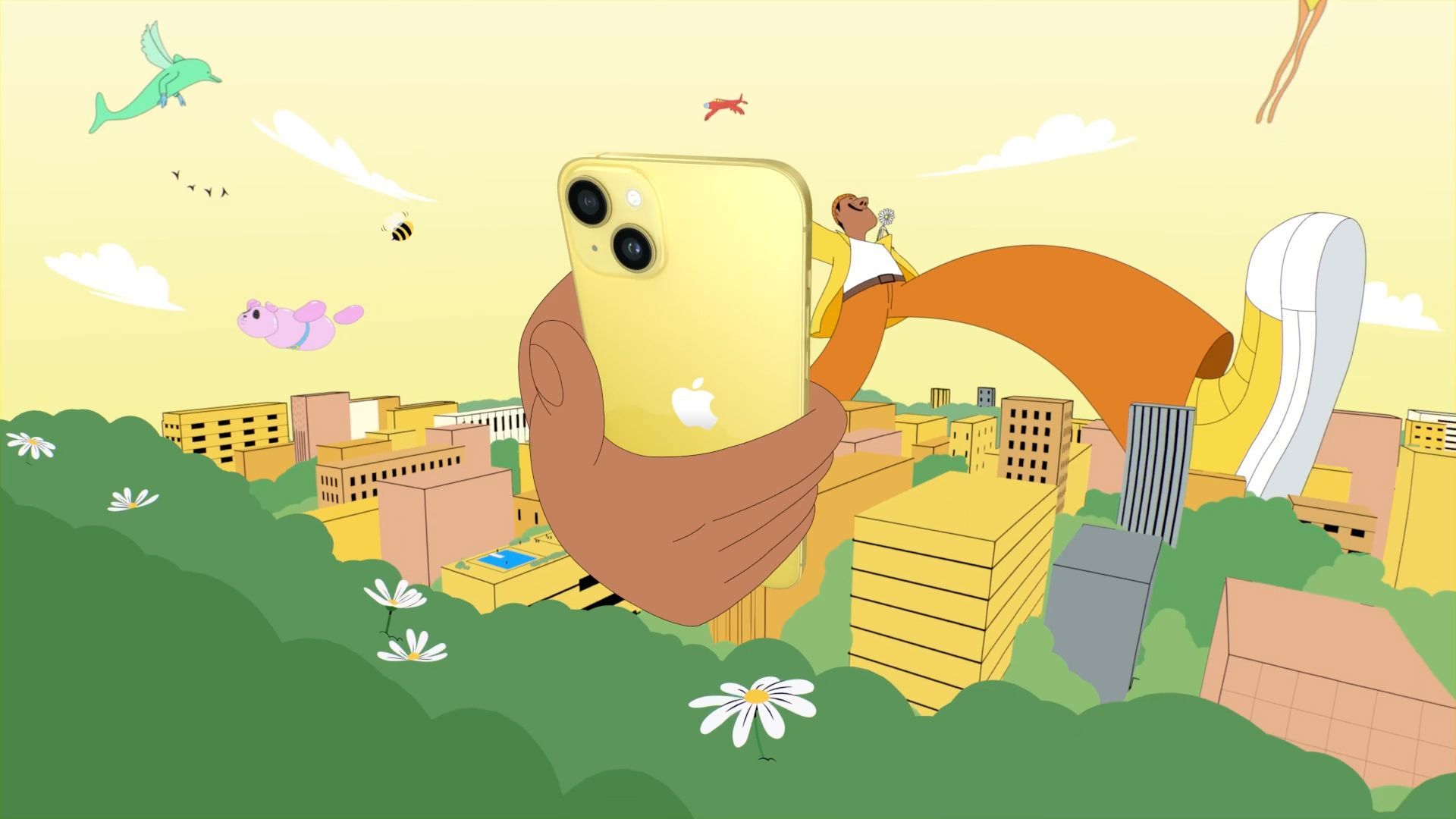
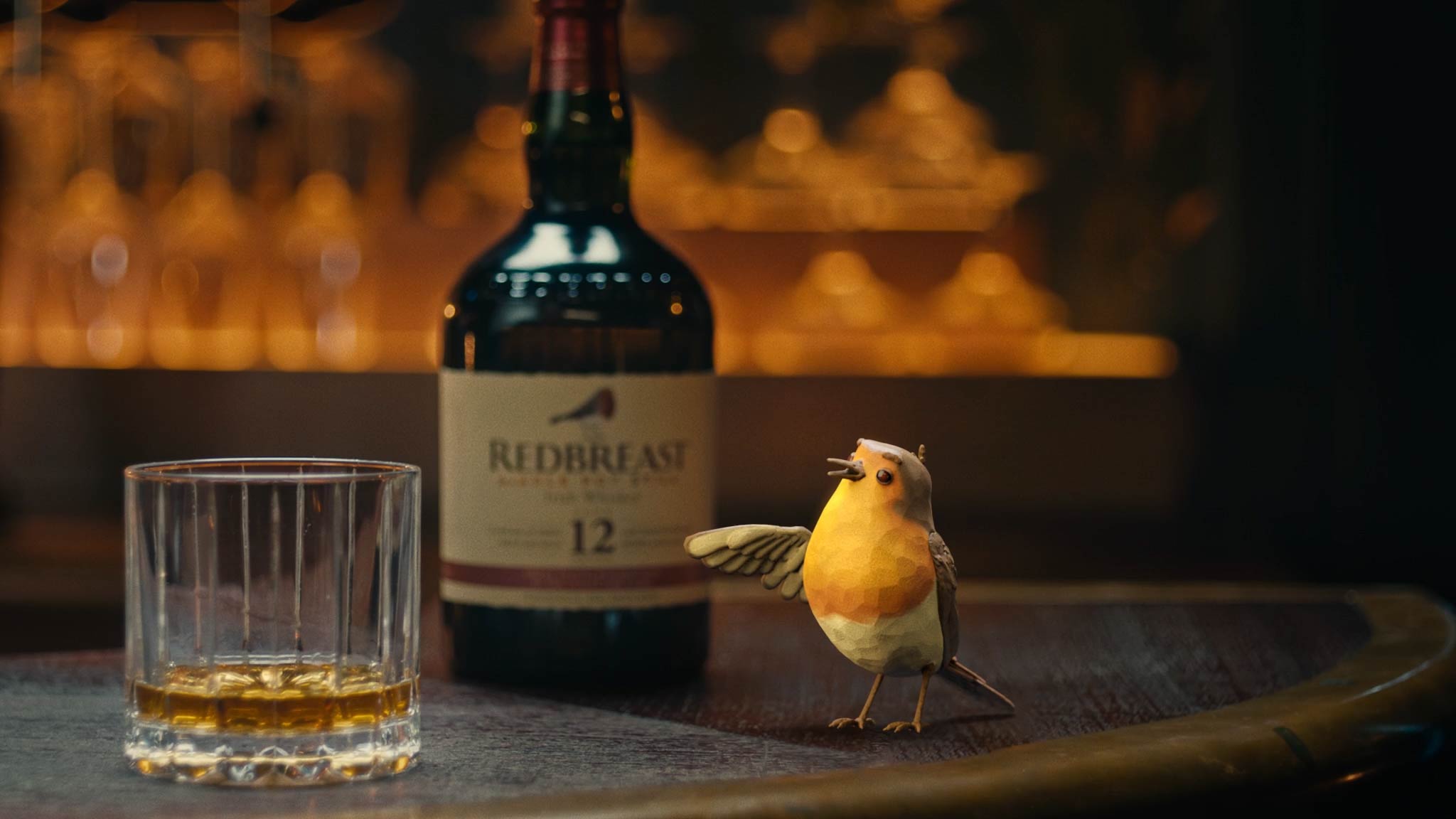
Drawn to bright, ‘90s Nickelodeon-inspired colour palettes, bold patterns, and gloriously bad teeth, Christa’s client list is as eclectic as her work, including Apple, Netflix, Parlophone Records, Oatly, the New York Times and Warner Music. But alongside her client work, Christa’s practice is fuelled by constant experimentation. She makes small character studies and posts them online to see what resonates. “Honestly, I’m usually just putting them out there for validation,” she jokes.
"I just really enjoy making weird little characters and seeing them resonate with people. That never stops feeling exciting."
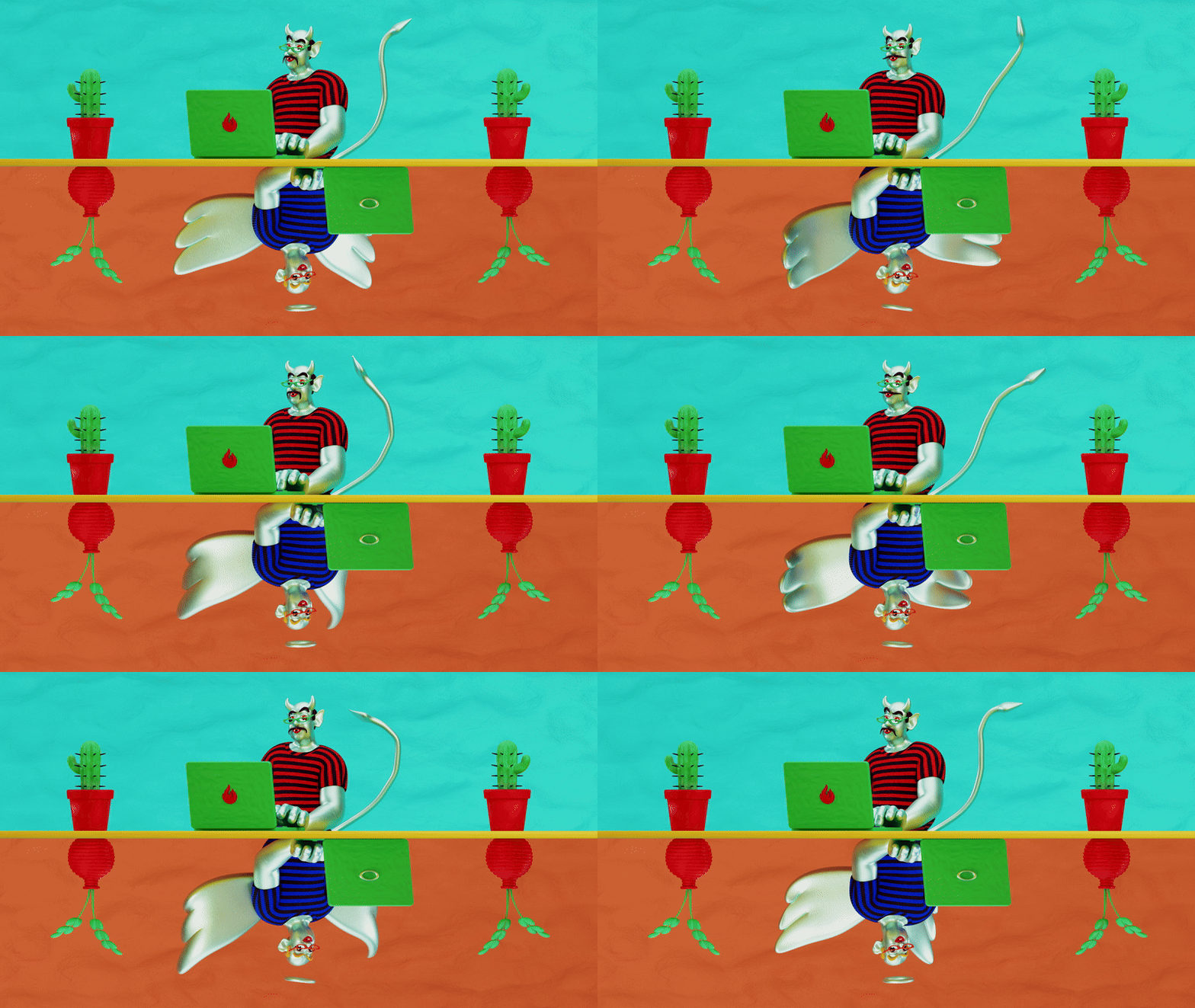
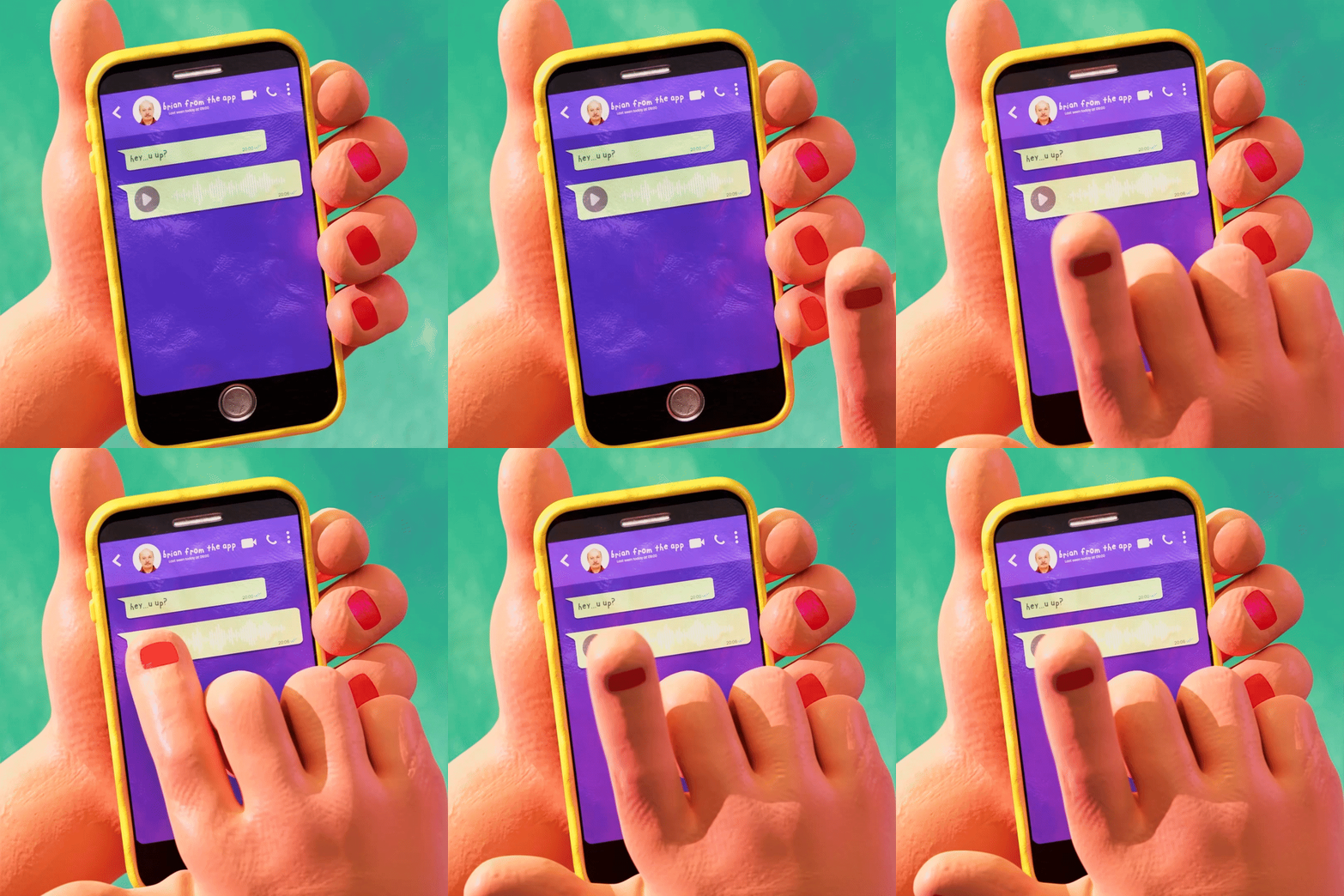
Her work often satirises modern life, taking aim at online dating, influencer culture and the strange uniformity of social media. “We’re all expected to accept that everyone suddenly speaks the same way, talks to camera using identical rhythms - and not laugh at it?” she says. “ It’s inherently absurd, so poking fun at it feels natural.”
The humour lands because it feels recognisable. These are characters trying hard and still getting it wrong, people who put themselves out there and get knocked back; “I love protagonists who can’t help being exactly who they are, even when the world treats them like freaks for it.”
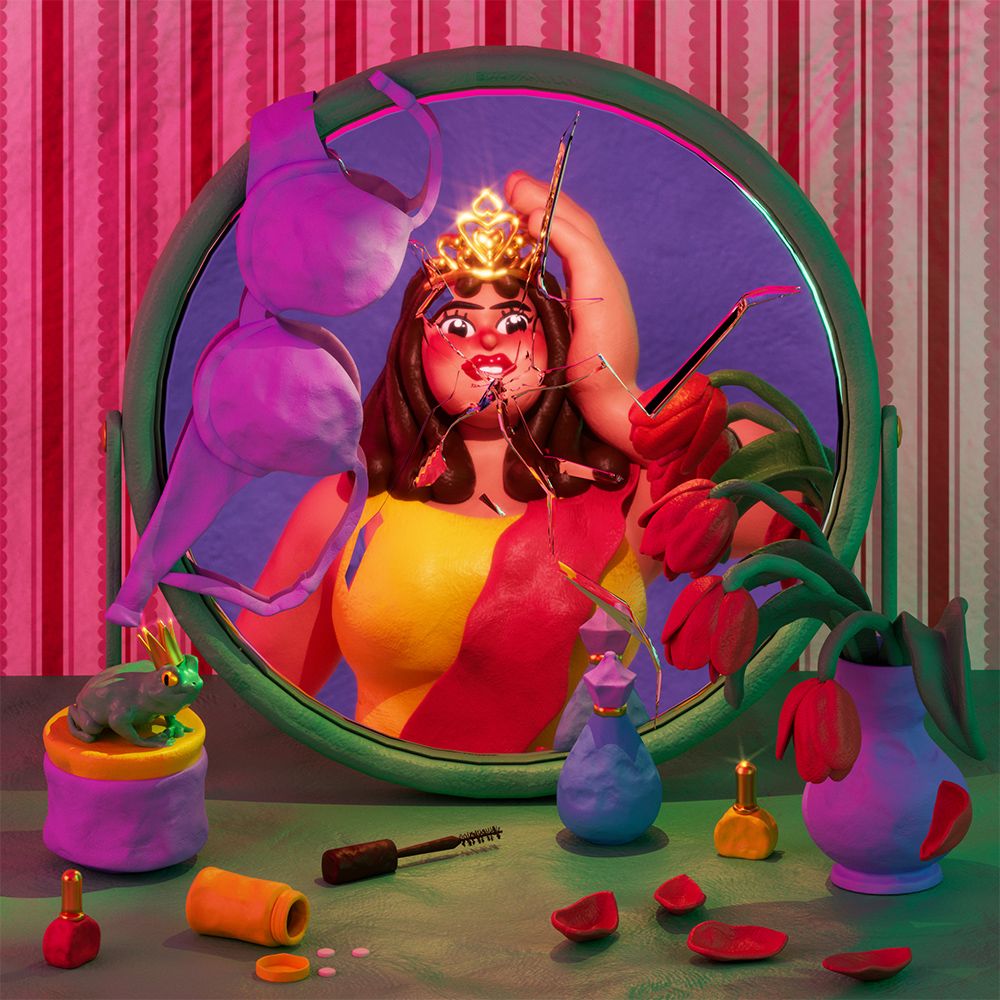
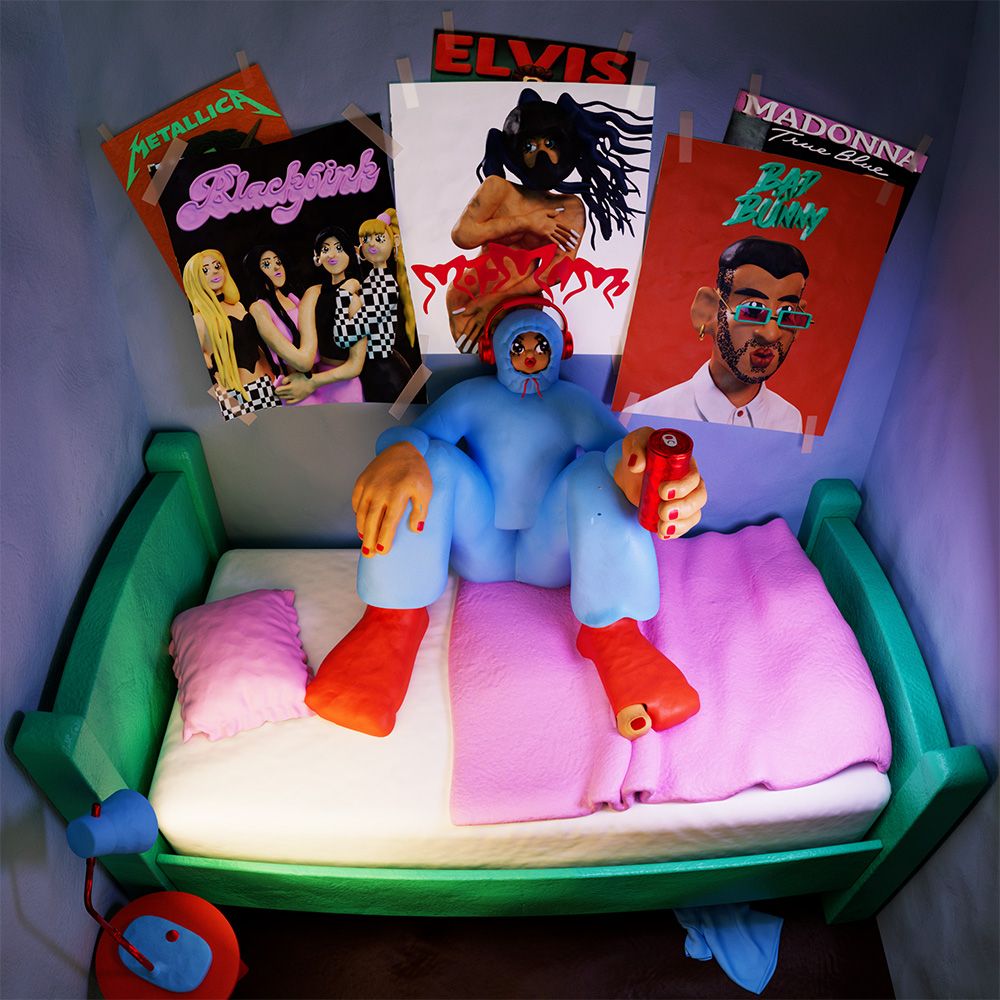
"It was a real revelation; realising that trusting your intuition and making work that delights you can actually lead to the best results."
Christa enjoys reactions to the ambiguity of her approach; that people question whether it’s real or not. Despite being digital, everything looks slightly... 𝘩𝘢𝘯𝘥𝘭𝘦𝘥. Hugely inspired by stop motion, she was excited to find she could recreate that “imperfect”, tactile look digitally by moulding plasticine, adding finger prints, taking photographs, then scanning them in and wrapping them on digital 3D objects. She also sculpts characters in VR using Meta Quest and Adobe Medium, a process she describes as “much more like drawing: instinctive, physical and forgiving.” The goal always has been to use a hybrid approach and bring the “physical messiness” back into digital work.
One project that really stands out is her work for Coldplay. She was given full creative freedom and no time at all to overthink! So she followed her instincts and made something that made her laugh. “It was a real revelation; realising that trusting your intuition and making work that delights you can actually lead to the best results.”
Her wider influences reflect that same offbeat, emotionally honest energy: Pepper Ann, Daria, Wallace & Gromit, Meg Stalter, Tara Booth, Bang on the Door, John Waters, Miranda July, Julian Glander. A cultural assortment that blends awkwardness, sincerity, satire and heart.
At the core of everything is a simple mission to make people laugh and feel less alone in finding modern life ridiculous. “A lot of the time, life feels like an absurdist joke,” she says. “And I think that’s okay.”
And for Christa, the magic still hasn’t worn off yet. She’s still happiest making strange little characters and watching them connect with strangers on the internet. “That never stops feeling exciting.”